Paupa New Guinea Asmat Large Shell Septum Adornment
• Location- Paupa New Guinea
• Estimated Age- Early 20th century
• This massive piece is about 5" (125mm) Long and about 3" (75mm) tall.
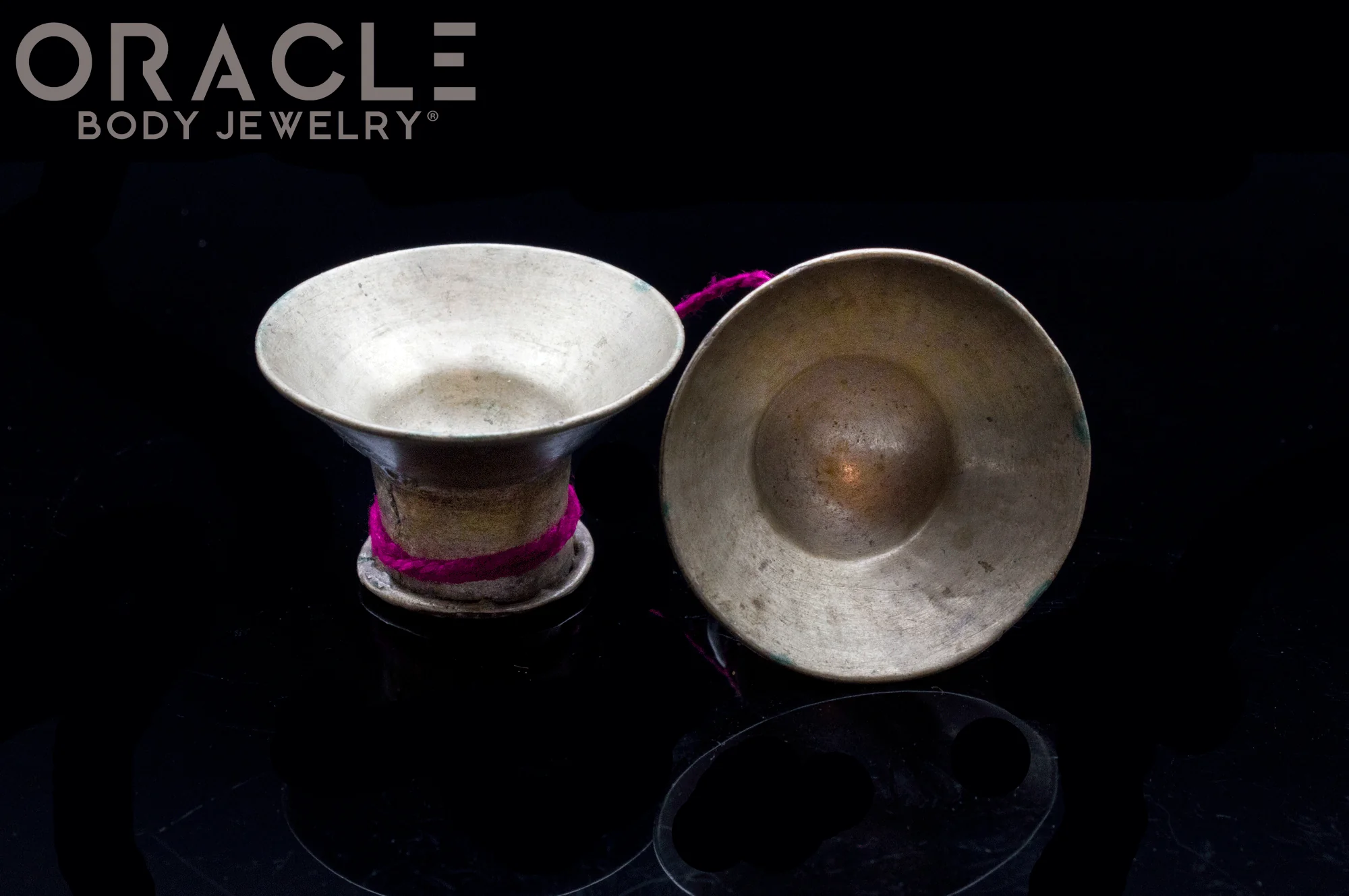
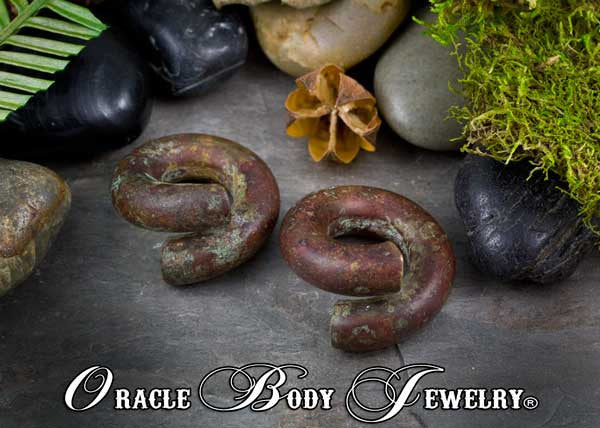
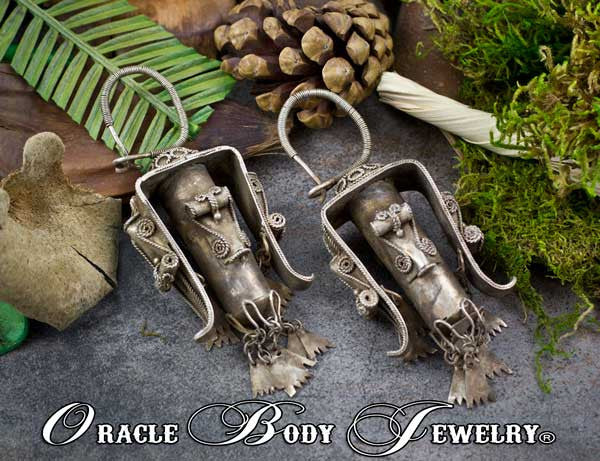
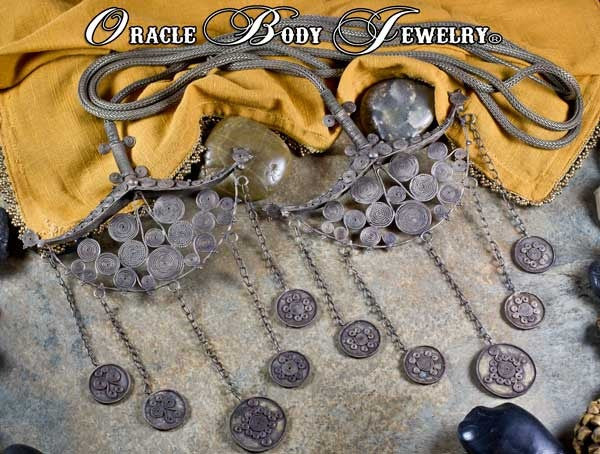
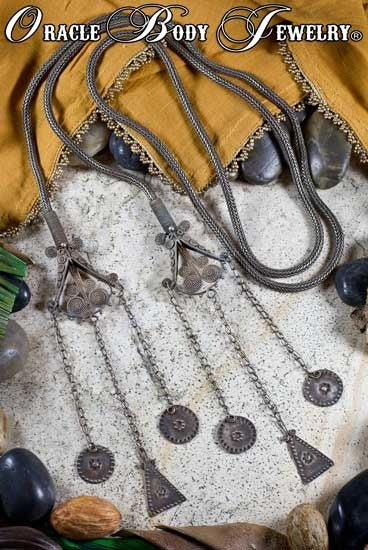
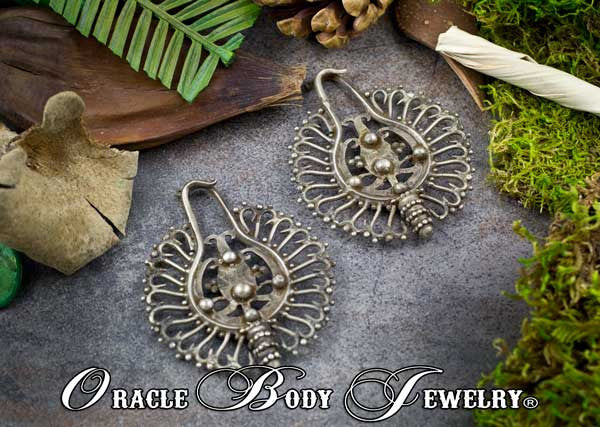
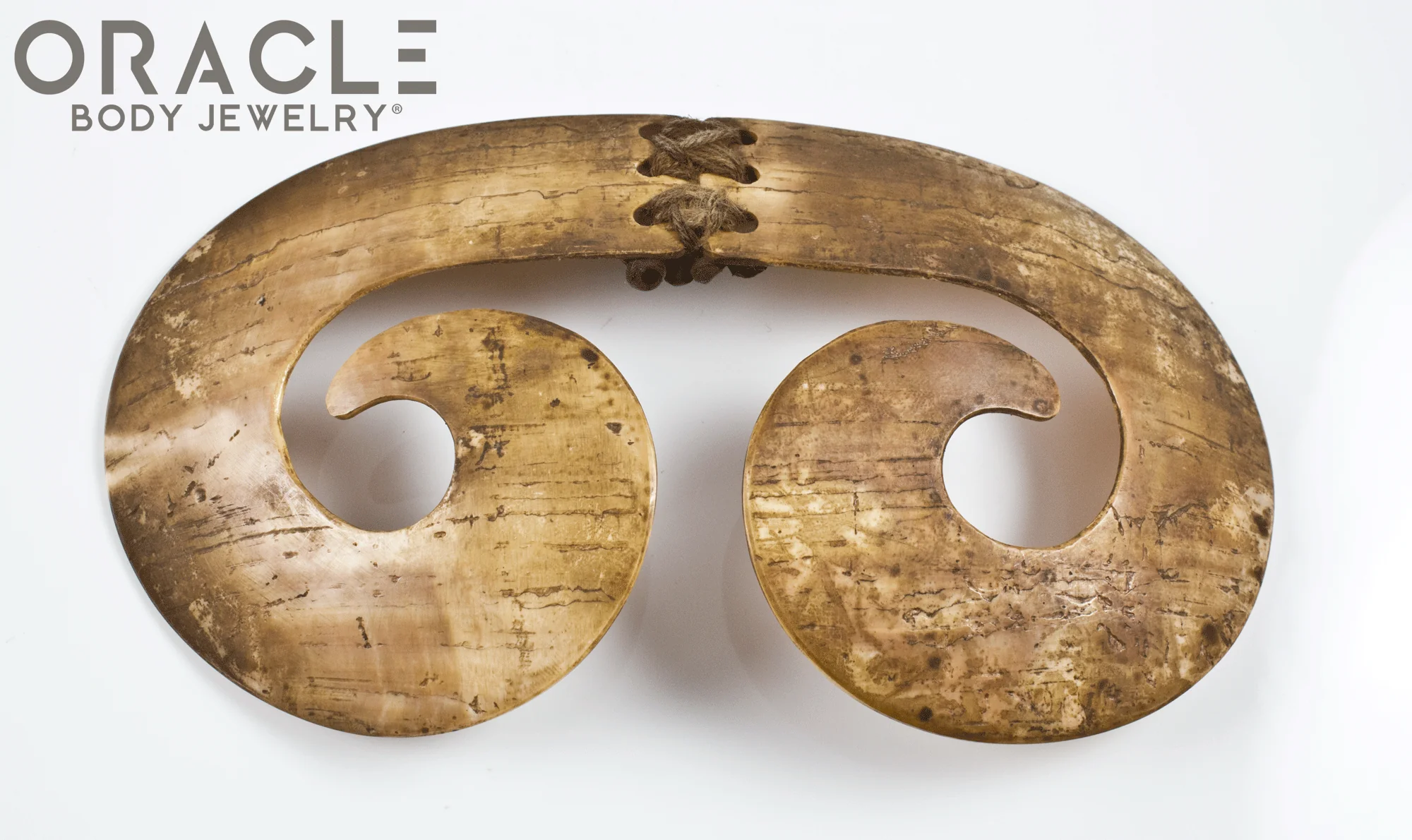
• Very unique Asmat septum adornment from Paupa New Guinea. These are rarely worn today and an unusal find. We have seen new pieces sold but this piece was collected long ago and is shell with woven old rattan that joins the two pieces together where the piece would rest in the septum. The material that is woven through and coiled in the back would make for a more comfortable wearing area than the raw shell. The shape is to emulate the coiled cuscus tail which is said to be an important symbol of headhunting to the Asmat. Such an amazing piece of body modification history.
Original: $374.95
-65%$374.95
$131.23More Images
Paupa New Guinea Asmat Large Shell Septum Adornment
• Location- Paupa New Guinea
• Estimated Age- Early 20th century
• This massive piece is about 5" (125mm) Long and about 3" (75mm) tall.
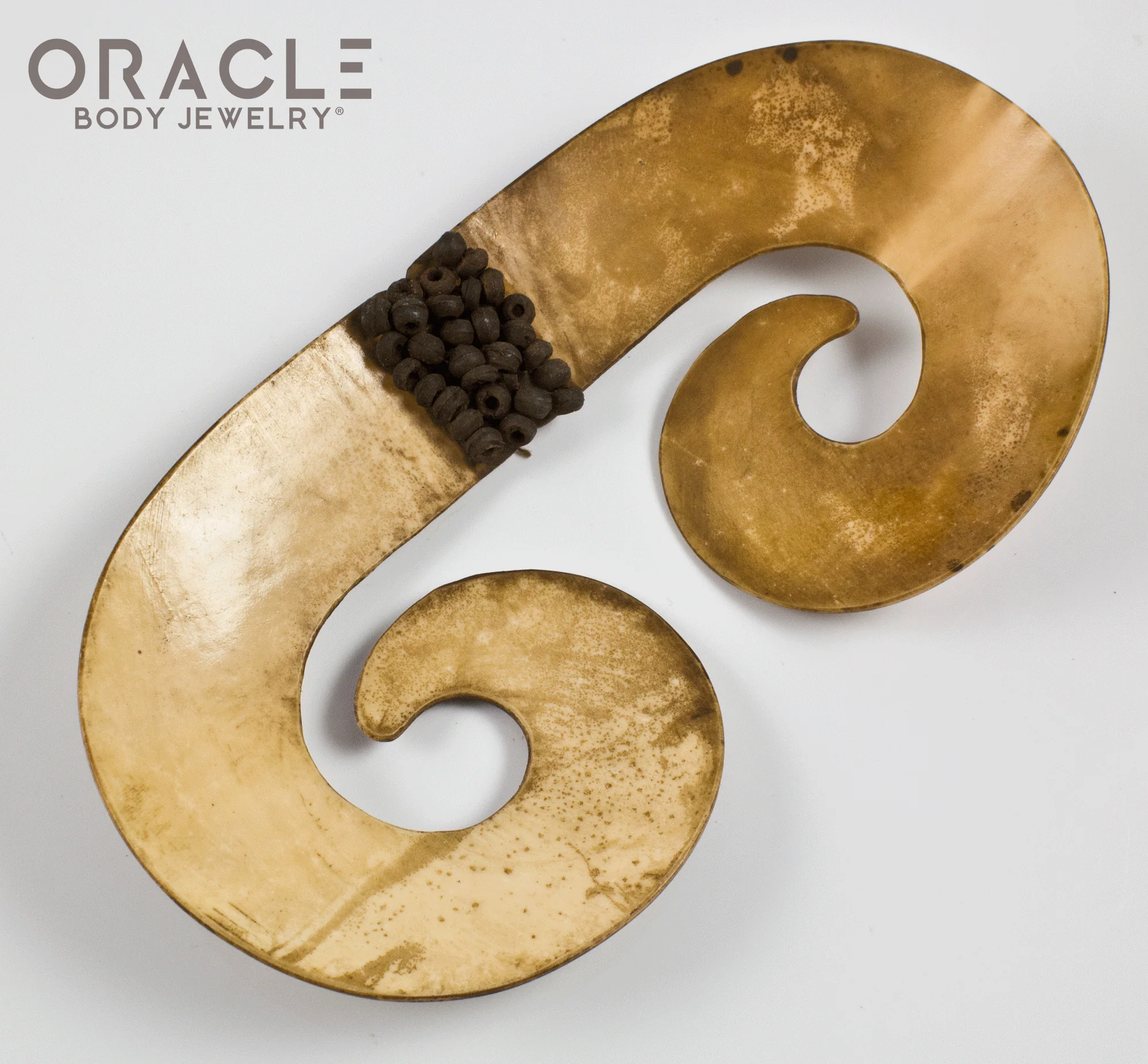
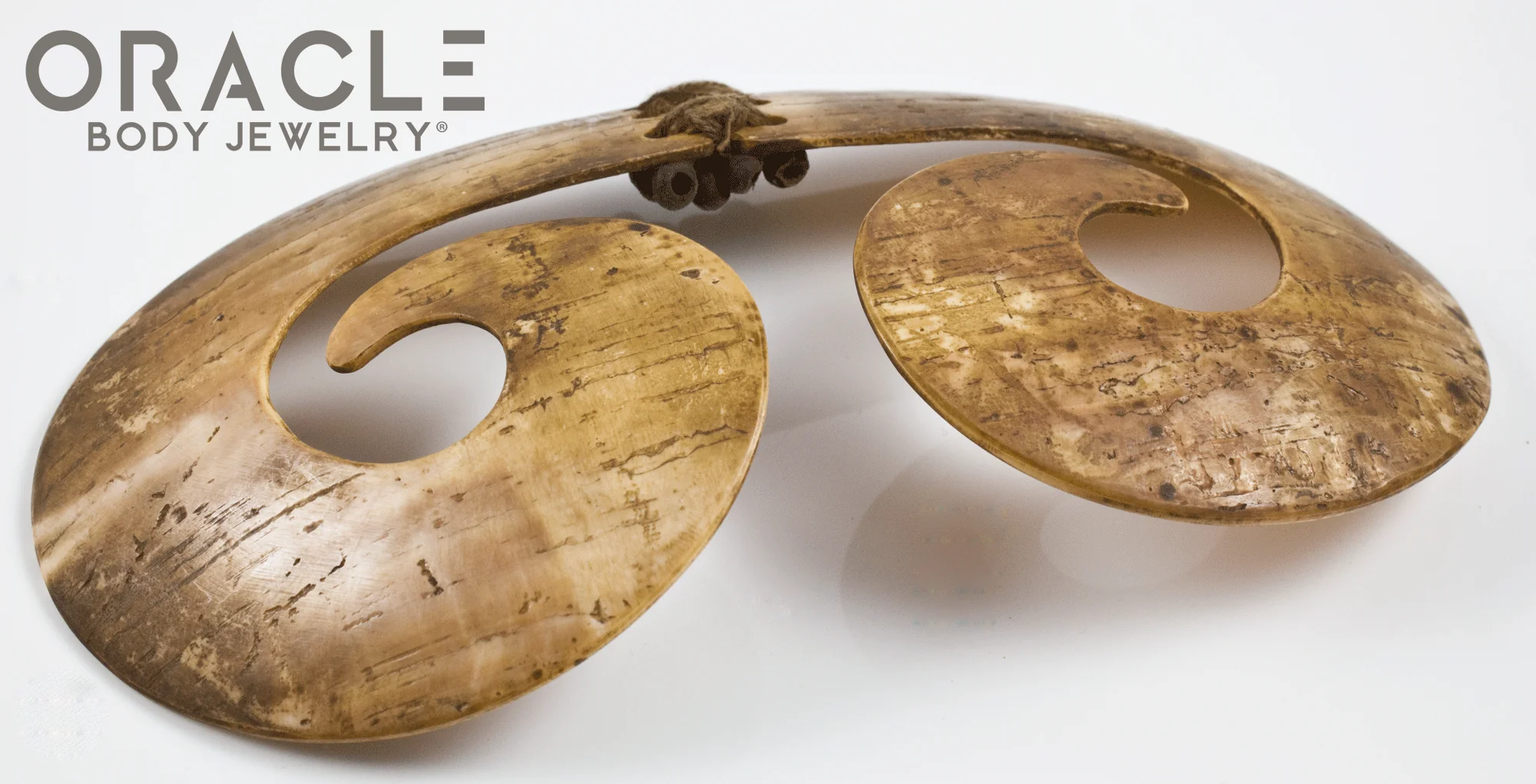
• Very unique Asmat septum adornment from Paupa New Guinea. These are rarely worn today and an unusal find. We have seen new pieces sold but this piece was collected long ago and is shell with woven old rattan that joins the two pieces together where the piece would rest in the septum. The material that is woven through and coiled in the back would make for a more comfortable wearing area than the raw shell. The shape is to emulate the coiled cuscus tail which is said to be an important symbol of headhunting to the Asmat. Such an amazing piece of body modification history.
Product Information
Product Information
Shipping & Returns
Shipping & Returns
Description
• Location- Paupa New Guinea
• Estimated Age- Early 20th century
• This massive piece is about 5" (125mm) Long and about 3" (75mm) tall.
• Very unique Asmat septum adornment from Paupa New Guinea. These are rarely worn today and an unusal find. We have seen new pieces sold but this piece was collected long ago and is shell with woven old rattan that joins the two pieces together where the piece would rest in the septum. The material that is woven through and coiled in the back would make for a more comfortable wearing area than the raw shell. The shape is to emulate the coiled cuscus tail which is said to be an important symbol of headhunting to the Asmat. Such an amazing piece of body modification history.